
Spain has always been one of the world’s most culturally and historically rich countries. From the 16th to the 18th centuries, Spanish ships crossed the Atlantic and returned with countless goods and treasures from the Americas. Yet when I traveled to Spain many years ago, I’d never heard of anyone mention “The 12 treasures of Spain.“ That’s because there was no such list back then. The 12 treasures of Spain is a relatively recent phenomenon. One might think it’s been around for over a century but it’s quite the contrary. In fact, the list was made public on December 31, 2007. The list’s creation went through several transformations along the way too. Initially inspired by “The New 7 Wonders of the World” the campaign planned to have “The 7 Treasures of Spain.” The list was expanded to 12 — based upon feedback from voters. In total, 12 winners were announced but there were still dozens of finalists. Official sites and locations were chosen following a large scale campaign launched by Spanish broadcasters Antena 3 and Onda Cero. And that’s where things become even more interesting. The list of top finalists is equally as intriguing as the actual winners of the contest itself. Many of the finalists include eclectic architectural sites, stunning palaces, ornate cathedrals, and even ancient Roman walls! With such vast cultural depth and history throughout the centuries, narrowing the list down to 12 finalists must have posed a challenge — to say the least. The winners of the contest showcase a wide range of natural beauty, history, architecture and multiple cultural influences. On the list, one will discover a vast range of treasures, some well-known and others more obscure. Some of the sites include a prehistoric cave with ancient paintings, Moorish palaces, stunning cathedrals and even an active volcanic park. Perhaps you may already know them. If not, here are the 12 Treasures of Spain.
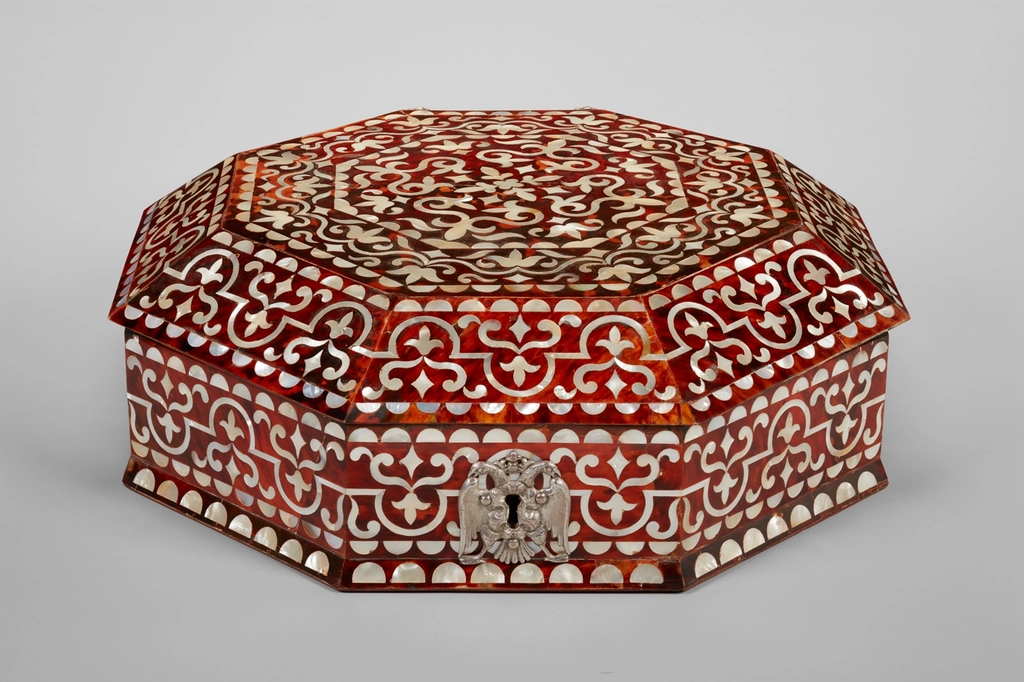
The 12 Treasures of Spain :
- Mosque-Cathedral of Cordoba: As the name implies, a Mosque converted into a Catholic cathedral in 1236.
- Cave of Altamira: A cave with prehistoric cave paintings, an important archaeological site.
- Seville Cathedral: A UNESCO World Heritage site, this is the largest Gothic cathedral in the world.
- Alhambra: A beautiful palace and fortress complex in Granada
- Basilica of Our Lady of the Pillar: Roman Catholic basilica in Zaragoza, known for its Baroque architecture.
- Teide National Park: Another UNESCO World Heritage site, known for Spain’s highest peak, Mount Teide.
- Roman Theatre of Merida: An authentic Roman theater and amphitheater
- Cathedral of Santiago de Compostela: A significant pilgrimage destination and the burial place of Saint James.
- Ciudad de las Artes y las Ciencias: City of Arts and Sciences. A modern cultural complex in Valencia, designed by Santiago Calatrava and Félix Candela.
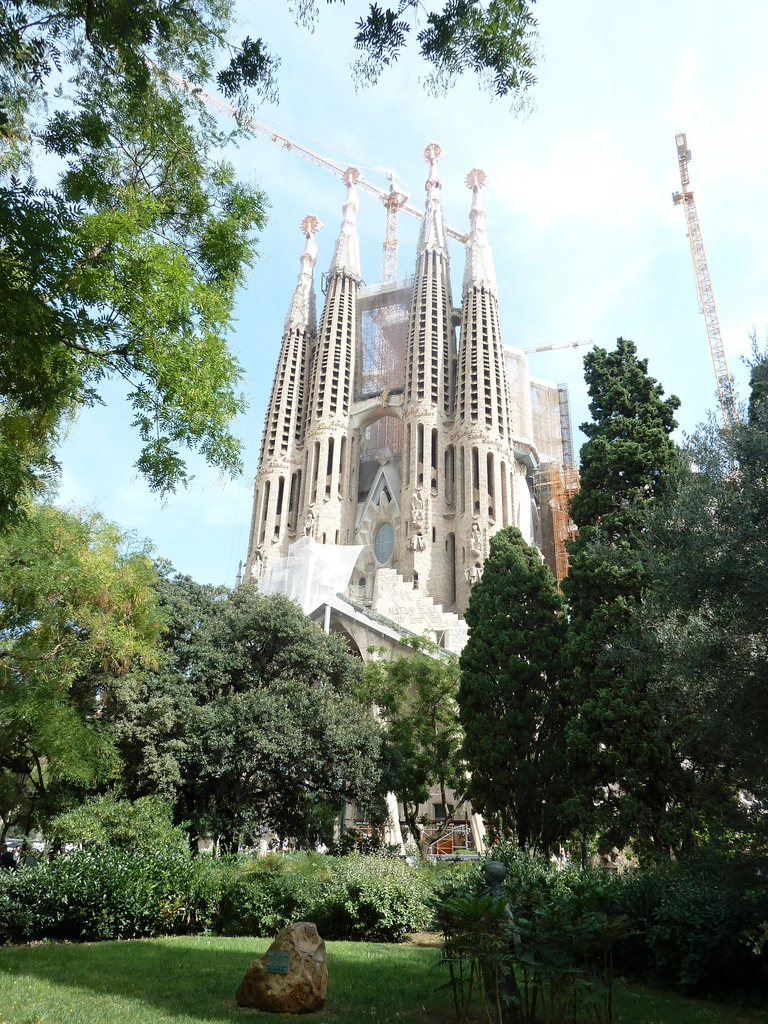
- Sagrada Familia: Antoni Gaudí’s ornate and still-unfinished basilica in Barcelona, a UNESCO World Heritage site.
- Beach of La Concha: Stunning urban beach, located in San Sebastian.
- Guggenheim Museum Bilbao: A modern and architecturally museum. One of the world’s finest examples of modern museum design.
Photo credit : Images courtesy of Openverse.

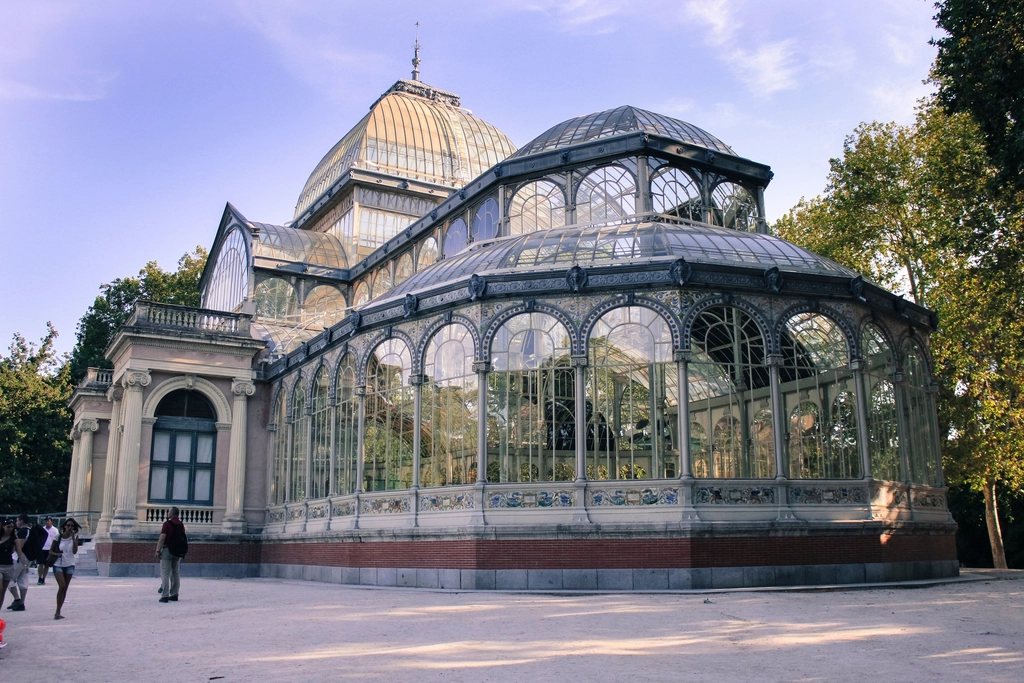
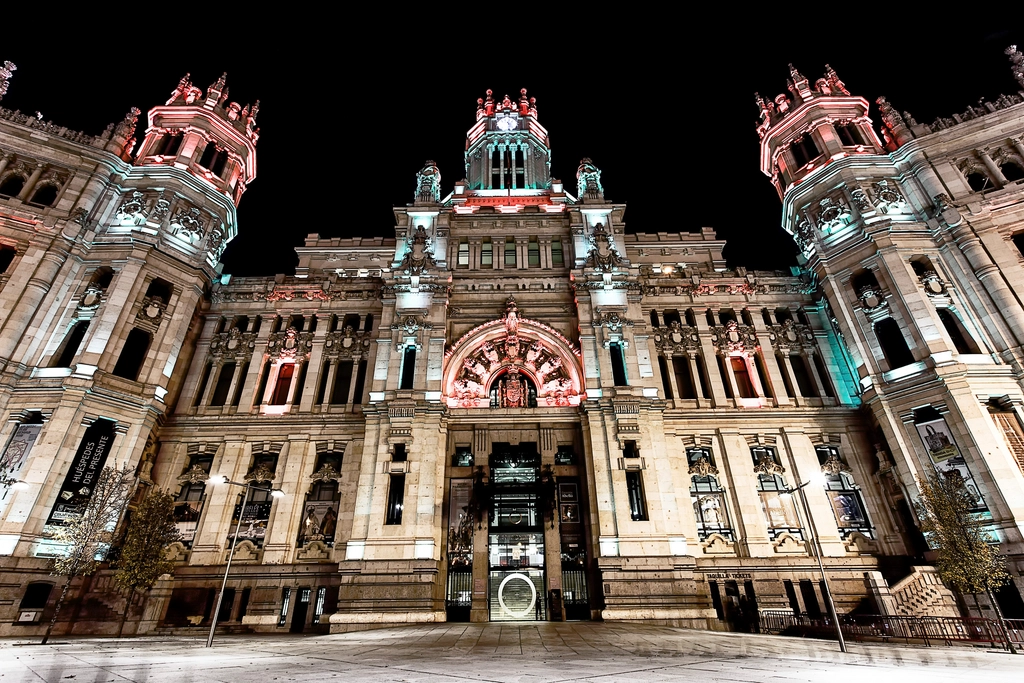
Not part of the 12 Treasures of Spain, but still incredible !
References:

- The 12 Treasures of Spain: What Are They & How Can You Visit? https://www.travelawaits.com/3011039/the-12-treasures-of-spain-what-are-they-how-can-you-visit/